

Holiday social and influencer campaigns in 2025 split pretty cleanly into two camps:
Across TikTok, Instagram, and YouTube, audiences made it clear what they wanted during the most emotional shopping season of the year. Below are the standout wins, the very public misses, and what brands should do differently heading into 2026.
One of the strongest holiday plays of 2025 was the return of influencer-led gift guides that felt genuinely personal.
Brands like L’Occitane partnered with lifestyle creators to share “my holiday picks” content instead of scripted promotions. Creators walked through what they were gifting, how they were using products, and why they loved them—often filmed casually at home.
The result? Content that looked organic, built trust, and reportedly moved both brand perception and sales more than discount-only posts.
What brands should do in 2026
Community-driven campaigns surged this season, especially when brands paired UGC challenges with a few anchor influencers.
A strong example came from Haribo, which leaned into a seasonal “hunt-style” giveaway mechanic. Limited packs plus a simple hashtag prompt encouraged customers to share their finds—effectively turning everyday buyers into holiday micro-influencers.
What worked
What brands should do in 2026
Black Friday and Cyber Monday in 2025 proved what many brands already suspected: influencers can flatten the funnel.
Successful campaigns used creators not just for awareness, but to move audiences from discovery to purchase in a single piece of content. The best playbooks followed a simple structure:
Creator-specific links and codes made ROI easy to track—and easy to defend internally.
What brands should do differently
Holiday is where audiences are least forgiving of inauthentic creative, and 2025 made that painfully clear.
McDonald’s pulled an AI-generated Christmas commercial after widespread backlash. Viewers criticized the visuals as cold and mismatched to the emotional warmth people expect from holiday advertising.
The brand acknowledged the disconnect—and social moved on fast.
The takeaway
What to do instead
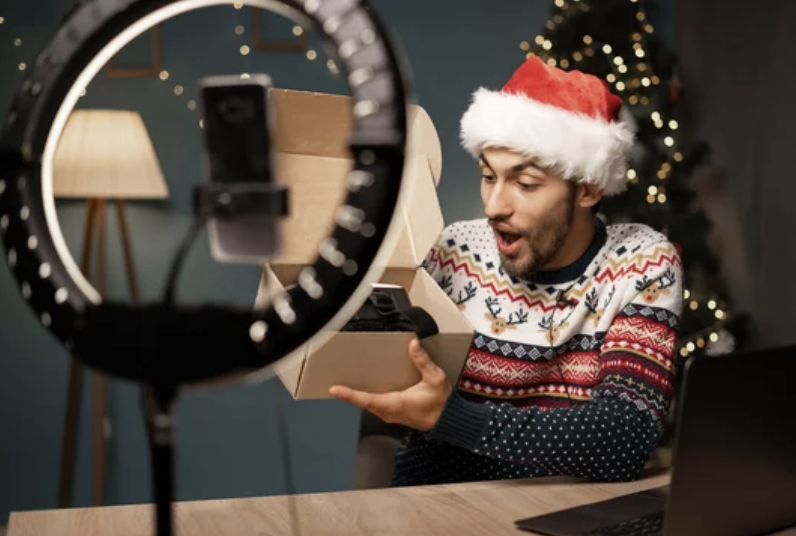
Luxury brands weren’t immune to holiday missteps. The cautionary tale that kept resurfacing was Chanel’s advent calendar backlash, reignited by influencer unboxings that revealed underwhelming fillers at a premium price point.
TikTok did what TikTok does best: called it out—fast and loudly.
What brands should remember
What to do in 2026
Another notable shift in 2025 was the blurring line between celebrity and creator.
Brands like Fashionphile tapped Martha Stewart as a holiday ambassador, while True Religion partnered with Ciara for festive content that lived across social platforms.
These campaigns mixed polished hero assets with more casual, behind-the-scenes content—structured like influencer programs, not traditional TV ads.
The opportunity for smaller brands
The brands that won holiday 2025 didn’t chase every new tool or trend. They focused on:
The brands that struggled tried to over-optimize the magic out of the season.
As you plan for next year, the question isn’t how advanced your holiday campaign is. It’s whether it feels human enough to belong in someone’s feed—or their living room.
And holiday audiences have made one thing clear: they can tell the difference.
