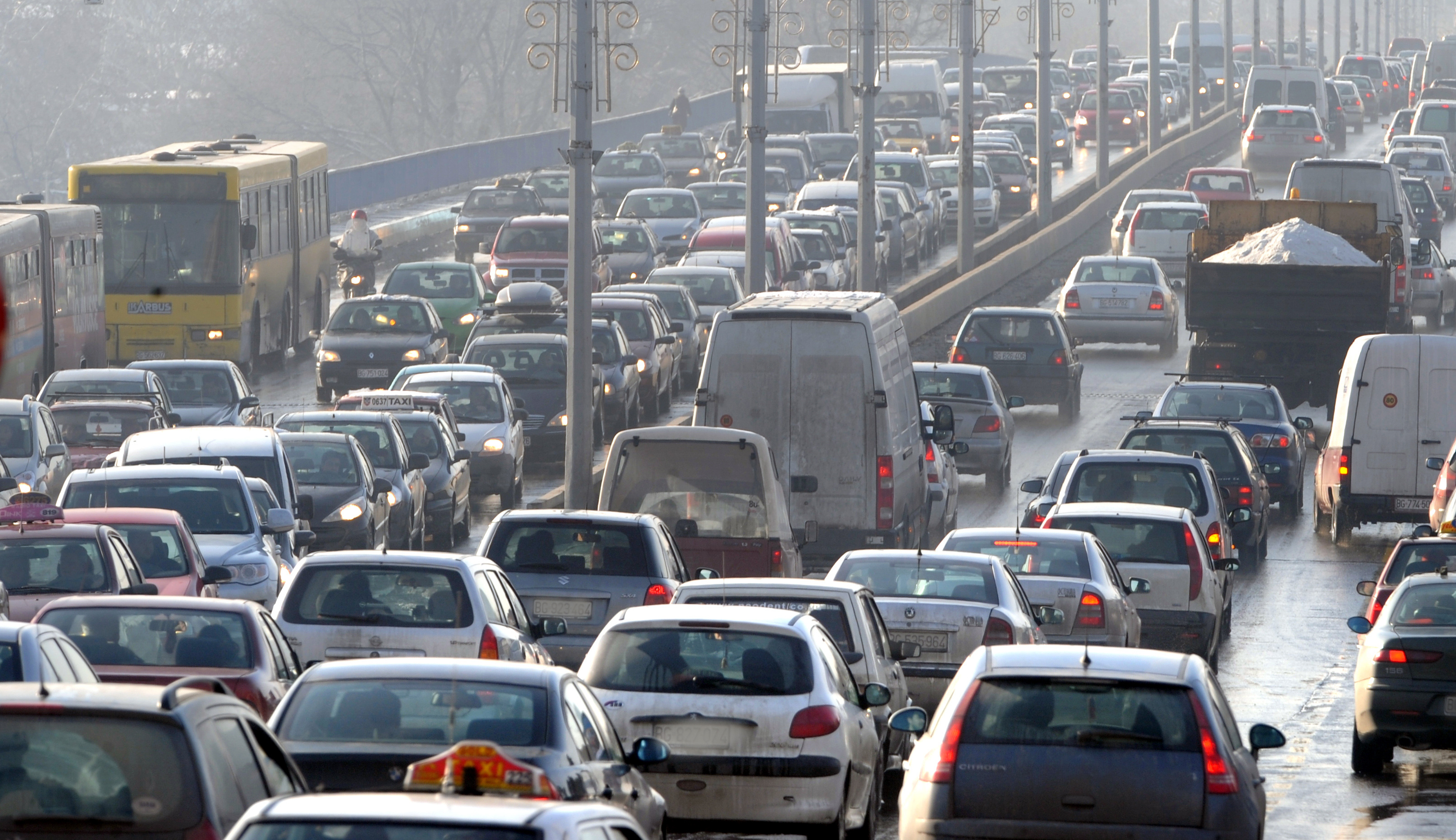


When performance dips, most brands reach for the same lever.
More traffic.
More paid spend.
More content.
More influencers.
More volume.
But here’s the uncomfortable truth…most brands don’t actually have a traffic problem.
They have a trust problem.
It’s never been easier to drive people to a product page. Paid social, search, influencers, retail media, AI discovery, pick your poison.
What’s harder is convincing them to stay, believe, and buy.
If traffic were the issue, conversion rates wouldn’t be flat while impressions climb. Reviews wouldn’t be plentiful but unpersuasive. PDPs wouldn’t get visits without sales.
The issue isn’t awareness. It’s hesitation.
Buyers are asking quieter questions now:
They’re not always saying it out loud, but they’re looking for proof everywhere. Reviews. Social content. Creator demos. Comments. Reddit threads. AI summaries.
And if those signals feel inconsistent or manufactured, no amount of traffic fixes that.
Many brands treat trust assets as “supporting content,” not performance drivers.
Social content that’s entertaining but vague.
Influencer posts that look fine but say nothing.
Reviews that exist but don’t answer real objections.
Individually, none of these seem disastrous. Collectively, they create friction.
Which is why traffic keeps flowing…and buyers keep stalling.
Trust isn’t built by one hero post or one viral moment. It’s built when everything a buyer encounters reinforces the same story:
That’s why social content should be PDP-ready.
That’s why reviews should be funded like performance media.
That’s why influencers work best as a layer, not a lane.
When those pieces align, traffic finally does its job.
If you’re pouring money into traffic and not seeing results, pause before adding more fuel.
Look at what buyers see once they arrive.
If the content doesn’t educate, reassure, and validate, traffic isn’t your bottleneck. Trust is.
